Floral Baby Highland Cow Review
As an embroidery designer who spends countless hours testing stitches and planning collections, I am always looking for designs that bridge the gap between whimsical charm and commercial viability. When I first laid eyes on the Floral Baby Highland Cow, I knew immediately that this piece had potential to become a staple in my digital library. It is not just another farm animal motif; it is a carefully curated blend of softness and rustic elegance that speaks directly to the modern maker’s desire for unique, heartfelt products.
In this review, I will walk you through my professional assessment of this design, focusing on how it performs as a machine embroidery design for personalized gifts, nursery decor, and small business inventory. Whether you are an Etsy seller, a craft fair vendor, or a boutique owner, understanding the nuances of this file is crucial before you commit to production runs.
First Impressions: Mood and Aesthetic Appeal
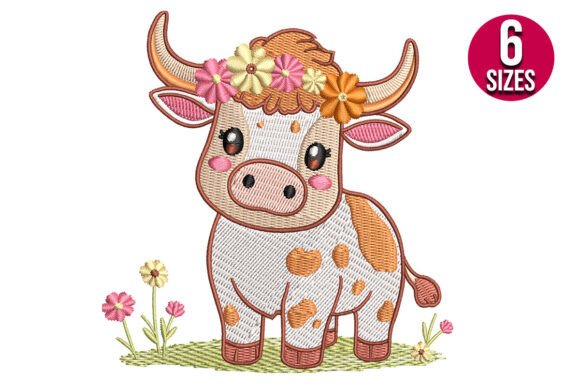
The immediate emotional impact of the Floral Baby Highland Cow is one of gentle nostalgia. The design captures the distinctive shaggy silhouette of the Highland breed but renders it with a softer, more delicate line work that suits the "baby" theme perfectly. The addition of sweet florals woven into the composition adds a layer of romance and spring-like freshness that elevates it beyond a simple cartoon character.
From a design perspective, the balance between the cow’s fluffy texture and the intricate floral elements is well-managed. It feels playful yet sophisticated enough to be used in higher-end nursery decor. The aesthetic leans heavily into the "cottagecore" trend, which has seen sustained popularity among buyers looking for handmade product authenticity. This is not a stark, modern graphic; it is warm, inviting, and undeniably cute. For customers browsing online marketplaces, this visual warmth translates directly into click-through rates, as it promises a tangible sense of comfort and joy.
Best Use Cases for Personalized Gifts
When evaluating a new embroidery file, I always ask: "Where would I want this on my own home?" The versatility of the Floral Baby Highland Cow makes it suitable for a wide array of applications, particularly in the gift-giving sector.
- Baby Essentials: This design is ideal for baby embroidery projects. Placing it on organic cotton muslin blankets, burp cloths, or hooded towels creates an instant keepsake. The softness of the floral accents pairs beautifully with pastel color palettes often chosen for baby showers.
- Nursery Decor: Pillow covers featuring this design can serve as charming accent pieces in a rustic or woodland-themed nursery. The design’s scale allows it to stand out without overwhelming smaller pillow dimensions.
- Kitchen and Home Textiles: An embroidered towel with this motif brings a touch of farmhouse charm to any kitchen. It serves as a perfect housewarming gift or a thoughtful addition to a wedding registry for couples who love rural aesthetics.
- Apparel and Accessories: For older children or adults who appreciate the breed, this design works well on denim jackets, tote bags, or aprons. The durability of the stitch placement ensures it holds up well on frequently used items.
For the Etsy seller or small shop product creator, this design offers high perceived value. It allows you to offer custom names alongside the image, creating a truly unique item that justifies a premium price point compared to mass-produced alternatives.
Technical Performance and Stitch Quality
As a professional, I scrutinize the technical execution of every file. The Floral Baby Highland Cow demonstrates a thoughtful approach to stitch density. The areas representing the cow’s fur utilize longer, directional stitches to simulate texture, while the floral components rely on tighter satin or fill stitches to maintain definition.
However, attention must be paid to the finer details. The flowers contain small negative spaces that require precise thread tension. If your machine is not calibrated correctly, these delicate petals may pucker or lose their shape. I recommend running a test sample on the exact fabric you plan to use for final orders. This step is non-negotiable for maintaining quality control.
Furthermore, the design likely includes multiple digitization layers to accommodate different thread colors. Ensure that your hooping process allows for accurate registration if the design requires re-hooping for multi-color sequences. Misalignment can ruin the charm of the floral integration, so patience during setup is key.
Where to Exercise Caution
While this design is versatile, there are specific scenarios where it may not perform optimally. You should avoid using this digital embroidery file on:
- Stretchy Fabrics: Unless stabilized properly, knit fabrics like those used for some baby onesies may distort the circular elements of the flowers.
- Thick Towels: While great for thinner kitchen towels, heavy terry cloth can cause needle deflection, leading to skipped stitches in the dense floral areas.
- Curved Surfaces: Attempting to embroider this flat design onto curved items like mugs or hats without proper 3D puff techniques will result in a distorted image.
- Dark Fabrics Without Underlay: If stitching light-colored threads on dark fabric, ensure the underlay stitches are sufficient to prevent show-through from the backing material.
Boosting Giftability and Customer Trust
In the world of online handmade sales, photography and presentation are as important as the product itself. The Floral Baby Highland Cow lends itself exceptionally well to lifestyle photography. Imagine this design stitched onto a cream-colored linen blanket, surrounded by dried lavender and wooden toys. Such imagery evokes an emotional connection that drives conversions.
By offering this design, you signal to your customers that you understand current trends in personalized gift markets. It appeals to parents who want something unique for their child, brides seeking unconventional wedding favors, and grandparents looking for memorable heirlooms. The "farm-to-table" aesthetic is deeply comforting, and translating that feeling into a textile product builds trust in your brand’s ability to deliver quality.
Additionally, providing a printable mockup or a high-quality photo of the finished product helps manage customer expectations. It shows exactly how the fabric texture interacts with the design, reducing returns due to misunderstandings about the final look.
Practical Embroidery Notes for Makers
To ensure success with the Floral Baby Highland Cow, follow these practical steps before starting your production run:
- Test on Scrap Fabric: Always stitch a test version on the same type of fabric you intend to sell. This reveals how the material reacts to the stabilizer and thread tension.
- Check Hoop Size: Confirm the maximum hoop size required by the design to ensure it fits your available frames. If the design is large, you may need to split the embroidery, which can affect alignment.
- Review Thread Colors: Compare your physical thread spools against the digital color chart. Some software representations differ slightly from real-world polyester or rayon threads.
- Use Proper Stabilizer: For baby clothes and lightweight linens, a cut-away stabilizer is often recommended to provide long-term support and prevent puckering after washing.
- Confirm Commercial Licensing: Before selling finished products, verify the licensing terms included with the commercial embroidery file. Most reputable designers allow the sale of a limited number of finished items, but restrictions vary.
By treating the Floral Baby Highland Cow with the care and technical precision it deserves, you can create beautiful, marketable products that resonate with customers. It is a design that combines artistic charm with commercial potential, making it a valuable addition to any embroiderer’s toolkit. Take the time to master its nuances, and you will find that this little cow brings big smiles—and big sales—to your business.