Floral Nonni Embroidery Design Review
If you have ever walked through a busy craft fair or scrolled endlessly through Etsy listings, you know that the difference between a sale and a scroll comes down to one thing: visual impact at three feet away. As an embroidery designer who has spent years turning digital files into tangible, sellable goods, I look at every new design file with a critical eye. Does it pop? Is it practical? Will my customers actually want to hang this on their wall or carry it to the grocery store?
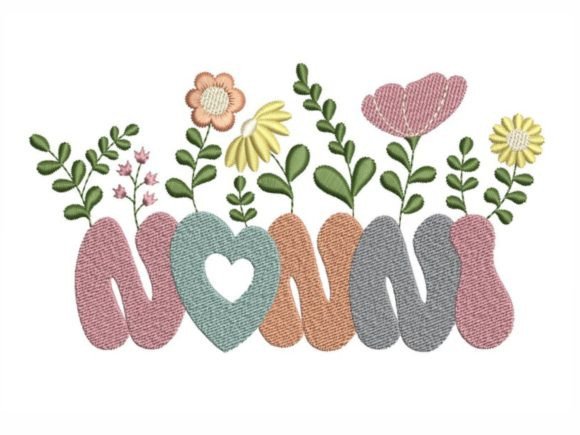
Today, I am reviewing a design called Floral Nonni. The description promises a "touch of charm" and a "fun and whimsical accent." For those of us building a brand around handmade products, words like "charm" and "whimsical" are high-value keywords. They suggest approachability and warmth. But do they translate well to the hoop? Here is my real-world assessment of how this machine embroidery design performs when we move from the screen to the fabric.
First Impressions: Charm vs. Clarity
When I first opened the preview for Floral Nonni, my immediate thought was about its versatility. The title suggests a botanical theme, likely featuring flowers arranged in a way that feels personal yet decorative. In the world of embroidery business ownership, "floral" is a saturated category. To stand out, a design needs more than just petals; it needs character.
This design seems to lean into the "Nonni" (Grandmother) aesthetic—implying a vintage, nostalgic, or heirloom quality. This is a powerful selling point for craft fair products. It evokes feelings of comfort, tradition, and love. However, as a designer, I must ask: does the whimsy compromise the detail? If the flowers are too intricate, the design may lose its definition when stitched. We need a balance where the charm is visible even from across a booth table.
Product Application: Where Floral Nonni Shines
The most critical question for any Etsy seller or boutique maker is application. A beautiful design on the wrong product is just a wasted hour of stitching. Based on the description’s suggestion to use it on t-shirts, towels, and home decor, here is how I see Floral Nonni performing in specific categories.
Kitchen Textiles and Tea Towels
Tea towel embroidery is a staple at almost every successful handmade market. The soft cotton texture provides an excellent canvas for floral designs. Because Floral Nonni is described as having a "fun and whimsical accent," it works perfectly as a small, centered focal point on a kitchen towel. It adds personality without overwhelming the utility of the item. When customers pick up a tea towel, they are often looking for something that brightens their morning coffee routine. This design delivers that emotional connection instantly.
Tote Bags and Market Totes
A tote bag design needs to be bold enough to be seen but elegant enough to be used daily. If Floral Nonni features a cohesive cluster of flowers, placing it on the front pocket of a canvas tote creates a premium feel. It elevates a basic $5 bag into a $20+ gift item. For commercial embroidery purposes, ensure the placement allows for the natural drape of the bag so the design doesn’t pucker when the bag is filled with groceries.
Aprons and Home Decor
Apron embroidery is another strong contender. A floral motif on a bib apron suggests a love for cooking and hosting. Similarly, pillow covers benefit from this kind of "home decor" focus. The key here is repetition. If the design assets allow for easy digitizing of repeats, you can create a coordinated set—a towel, a potholder, and a pillow—which increases your average order value.
Production Practicality and Technical Checks
Before I commit to a batch production run, I always perform a technical audit. This is where many digital sellers get tripped up. They assume if it looks good on a screen, it will stitch well. It rarely works that way.
- Stitch Density: Check the stitch density closely. Floral designs can sometimes suffer from "thread breaks" if the underlay stitches are too heavy or the top stitches are too sparse. We want smooth coverage, not gaps showing the fabric underneath.
- Hoop Size Constraints: Confirm the recommended hoop size. If the design is large, it may require multiple hooping steps, which increases production time and risk of misalignment. For quick-turnaround craft fair items, smaller hoops are often more efficient.
- Thread Contrast: Test the design with various thread colors. A light pastel flower on white fabric might disappear. On a navy or sage green background, the same design will pop. Always compare fabric colors against your thread palette before printing final inventory.
- Stabilizer Selection: The choice of stabilizer is crucial. For delicate fabrics like linen or thin cotton, a cut-away stabilizer ensures longevity. For sturdy canvas totes, a tear-away might suffice, but wash testing is mandatory to ensure no residue remains.
Visual Appeal and Customer Engagement
From a marketing perspective, Floral Nonni has strong potential for visual storytelling. Handmade buyers are investing in the story behind the product. A design with a name like "Nonni" invites a narrative. You aren't just selling a patch; you are selling a tribute to family, heritage, or simple joys.
This affects buyer engagement significantly. When a customer sees a design that feels "personal," they are more likely to stop scrolling. For your printable mockup images, style the Floral Nonni design on items that evoke lifestyle moments—perhaps next to a cup of tea, surrounded by fresh garden flowers, or held by hands holding gardening tools. This contextualizes the handmade product and helps the buyer visualize ownership.
Photography Tips for Your Listings
When photographing your finished goods, focus on the texture. Embroidery is tactile. Use natural lighting to highlight the sheen of the threads. Close-up shots should show the quality of the stitching, proving that this is a durable, high-quality item. Avoid overly filtered images that might distort the true color of the design assets.
Final Verdict for Craft Fair Sellers
Is Floral Nonni worth adding to your inventory? Yes, provided you respect the technical limitations of machine embroidery. It fits squarely into the popular "farmhouse chic" and "modern rustic" trends that dominate platforms like Etsy and local markets. It is versatile enough to appear on everything from embroidered patches to full-sized garments.
However, success lies in execution. Do not rush into mass production. Create at least one real mockup. Stitch it on the exact fabric you plan to sell. Inspect the back of the work for stability. Ensure the digital embroidery file is clean and free of unnecessary jumps. If the design holds up to these rigorous tests, it has the potential to become a bestseller in your shop.
Remember, the goal is to create a small shop product that feels both professional and heartfelt. Floral Nonni offers the charm needed to capture attention, but your craftsmanship will seal the deal. Check your commercial licensing terms carefully, verify your embroidery file compatibility with your machines, and prepare to turn this whimsical accent into a profitable addition to your handmade collection.