Floral Watering Can Embroidery Review
As an embroidery designer who spends countless hours testing files for both personal projects and commercial client work, I am always on the lookout for designs that balance aesthetic charm with technical reliability. When I stumbled upon the Floral Watering Can design on Creative Fabrica, it immediately caught my eye. It isn’t just another generic flower motif; it carries a specific narrative of spring renewal and domestic whimsy. But does it hold up under the needle? Can it withstand the rigors of commercial production? In this review, I will break down how this machine embroidery design performs in real-world scenarios, helping you decide if it belongs in your digital library.
First Impressions: Visual Mood and Design Personality
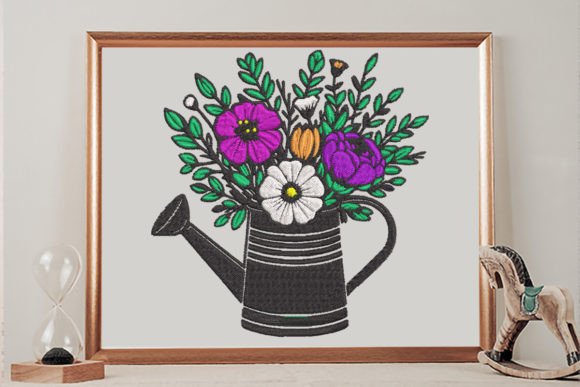
The Floral Watering Can exudes a gentle, nostalgic energy. The visual mood is undeniably tied to the Spring season, evoking images of garden parties, fresh blooms, and cozy home decor. For designers looking to add a touch of whimsy to their collections, this design offers a distinct personality. It feels less like a rigid geometric pattern and more like a hand-drawn illustration brought to life through thread.
From a technical standpoint, the initial scan suggests a good balance of stitch types. While the product description highlights its suitability for towels and pillows, the intricate details of the watering can spout and the surrounding floral elements suggest a mix of satin stitches for outlines and fill stitches for volume. This combination is crucial for creating depth. If you are designing for customers who appreciate high-quality finishes, the potential for visual appeal here is significant. However, as with any complex design, the devil is in the details—specifically how those small floral accents translate from screen to fabric.
Real-World Application: Where Does It Fit?
I evaluated the Floral Watering Can across several common handmade product categories to see where it shines and where it might struggle. Here is a breakdown based on practical usage:
- Kitchen Towels and Aprons: This is perhaps the most natural fit. The imagery aligns perfectly with kitchen aesthetics. When stitched onto a flour-sack towel or a canvas apron, the design adds a focal point that elevates a basic utility item into a gift-worthy piece. The whimsical nature makes it ideal for personalized gift markets, particularly for housewarmings or Mother’s Day.
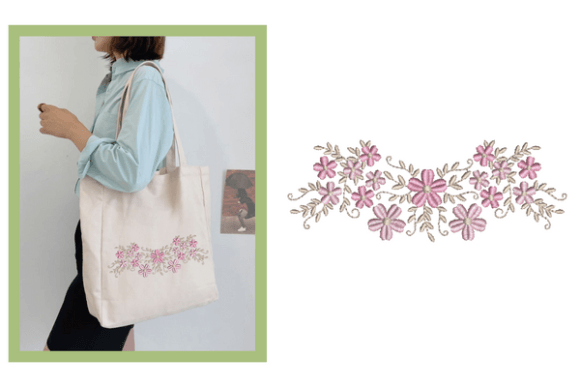
- Tote Bags and Market Totes: A tote bag design featuring this motif appeals to the eco-conscious crafter. The sturdy fabric of a canvas tote provides a stable base for the stitch density required by such a detailed image. It creates a strong brand identity for sellers focusing on botanical or cottage-core themes.
- Baby Items and Nursery Decor: Soft pastels and gentle imagery are staples in the baby market. This design works well on burp cloths, receiving blankets, or nursery wall hangings. The "watering" aspect subtly ties into growth and care, making it emotionally resonant for new parents.
- Sweatshirt Embroidery and Apparel: Placing this on a sweatshirt requires careful placement. Because the design likely has a moderate footprint, it works best as a left-chest logo or a centered graphic. On dark fabrics, the contrast becomes critical. You may need to adjust your thread colors or use a contrasting backing stabilizer to ensure the white or light-colored threads pop against navy or black cotton blends.
- Caps and Patches: For structured items like baseball caps, the curvature can distort finer details. If the hoop size is small, the tiny petals might merge together. However, if used as an embroidered patch to be sewn onto denim jackets or bags, this design offers excellent detail retention without the stress of stitching directly onto curved surfaces.
Technical Performance and Practical Considerations
When integrating this embroidery file into your workflow, there are several technical factors to consider to ensure a professional finish.
Stitch Density and Detail Resolution
Complex designs often suffer from "muddy" stitching if the stitch density is too high for the fabric weight. Before committing to a final run, always test on scrap fabric. Pay close attention to the transition between the satin stitch borders and the internal fill stitch areas. If the design includes tiny lettering or very fine lines, inspect these closely after stitching. On stretchy knits, such as those used for custom apparel, ensure you are using a cut-away stabilizer to prevent puckering, which can ruin the delicate look of the flowers.
Fabric and Thread Selection
The success of the Floral Watering Can relies heavily on material choice. On textured fabrics like terry cloth (towels), the stitches may sink in slightly, softening the overall look. This can be desirable for a rustic aesthetic but may lack crispness for boutique merchandise. Conversely, on smooth cotton or linen, the definition will be sharper. Always check thread color contrast. If the original design uses light blues and whites, they may disappear on cream-colored fabric. Mocking up different colorways digitally before cutting fabric can save valuable time and materials.
Hoop Size and Placement
Verify the maximum hoop size required by the file. If the design is large, it may limit where you can place it on certain garments, such as the sleeve of a child’s shirt. For commercial embroidery efficiency, knowing the exact dimensions helps in calculating material yield per bolt of fabric. If the file is not provided with clear dimensions, measure a test run to determine the optimal layout for your specific machine.
Impact on Product Value and Branding
In the world of Etsy listings and craft fair products, presentation is everything. A well-executed finished product featuring the Floral Watering Can design signals quality to the buyer. High-resolution photos of the embroidery texture build trust and justify premium pricing. The whimsical theme encourages social media sharing, as customers love to showcase cute home decor and gifts.
Furthermore, using a versatile design allows for brand consistency. You can create a cohesive collection by pairing this design with complementary motifs, such as simple leaves or gardening tools. This strategy enhances customer engagement and encourages multiple purchases. Whether you are selling physical goods or offering printable mockups for digital planners, the versatility of this design asset adds value to your portfolio.
Final Verdict and Best Practices
The Floral Watering Can is a charming addition to any digital embroidery file library, particularly for those targeting the home decor and seasonal gift markets. Its strength lies in its ability to evoke emotion and add character to everyday items. However, like all creative assets, it requires responsible use.
To get the best results:
- Test Thoroughly: Never skip the scrap fabric test. Check for tension issues and stitch accuracy.
- Review Licensing: Always confirm the licensing terms on the Creative Fabrica product page before selling finished items. Understanding whether you have commercial rights is essential for protecting your business.
- Inspect Details: Zoom in on the digital preview to identify any potentially problematic small details that might not render well on all fabrics.
- Match the Medium: Choose fabrics that complement the design’s whimsical nature, such as natural fibers rather than heavy synthetics.
By paying attention to these details, you can transform a simple applique design or running stitch accent into a standout piece that delights customers and strengthens your handmade brand. If you are looking to infuse your next project with a bit of springtime charm, this design is certainly worth considering.