Floral Embroidery Pattern Design: A Designer’s Review
As an embroidery designer who has spent years translating digital concepts into tangible, stitched reality for small businesses, I approach every new asset with a mix of creative excitement and technical skepticism. When evaluating Floral Embroidery Pattern Design, we are not just looking at pretty flowers; we are assessing the viability of a commercial asset. This review focuses on how this specific design performs in the real world of branded merchandise, from embroidered patches to staff uniforms and boutique product labels.
First Impressions and Visual Personality
The title, Floral Embroidery Pattern Design, suggests a classic aesthetic that leans towards elegance, rustic charm, or perhaps a modern botanical style. In the current market for handmade brands and Etsy sellers, floral motifs remain a powerhouse because they communicate warmth, care, and organic quality. For a small café, a florist shop, or a boutique bakery, this visual language is immediately recognizable and trustworthy.
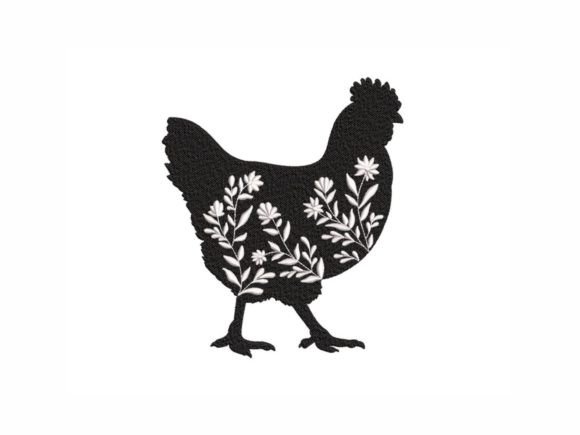
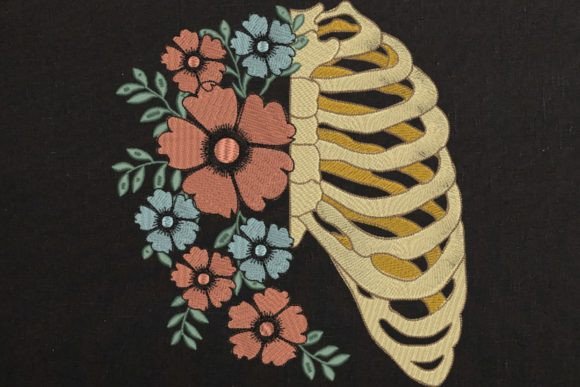
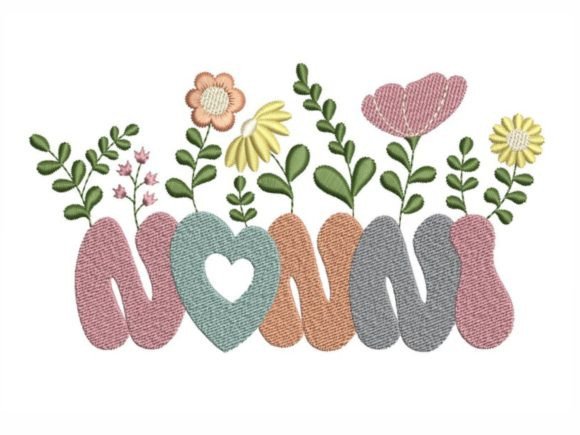
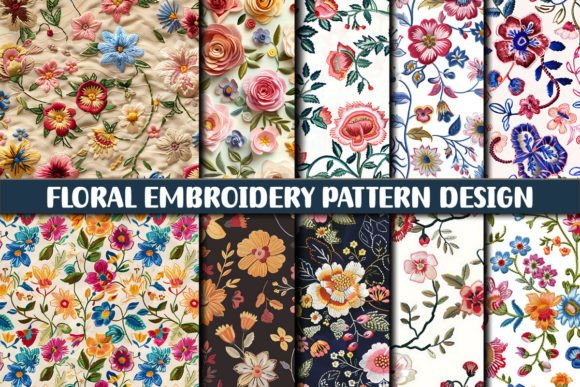
Receiving 20 HD images in JPG format at 300 dpi provides a robust library of assets. From a designer’s perspective, having multiple variations allows for versatility. You might use one variation for a large chest logo on a work shirt, another for a subtle sleeve accent, and a third for a detailed patch on a cap. The high resolution ensures that when you resize these graphics for printable mockups or client presentations, the lines remain crisp. However, remember that this is a digital graphic first; its success as a machine embroidery design depends entirely on how well it translates from pixels to thread.
Real-World Applications for Small Business Merch
The true test of any embroidery file is its application across various mediums. Here is how Floral Embroidery Pattern Design can elevate your brand identity in practical scenarios:
- Embroidered Patches: Floral designs are timeless for patches. Whether used as a morale patch on a denim jacket or a formal badge on a uniform, the intricate details of petals and leaves add perceived value to the garment. These serve as excellent customer gifts or loyalty rewards.
- Apron Embroidery: For bakeries, cafes, and craft studios, aprons are daily billboards. A well-placed floral motif on the bib or pocket of an apron softens the professional look while maintaining brand consistency. It signals to customers that attention to detail matters.
- Cap Embroidery: Caps are ubiquitous in retail and event merch. A floral design works exceptionally well here, offering a softer alternative to traditional corporate logos. It appeals to a broad demographic, particularly in lifestyle and wellness brands.
- Tote Bag Design: Canvas totes are essential for handmade product packaging and eco-friendly branding. Stitching this pattern onto a tote bag creates a premium feel that encourages reuse, turning your customers into walking advertisements.
- Custom Apparel: Beyond basic tees, consider using this design on sweatshirts, hoodies, or even lightweight jackets. The floral theme pairs beautifully with earth tones, pastels, and navy blues, allowing for cohesive collection launches.
Technical Considerations and Potential Pitfalls
While the visual appeal is strong, an experienced designer must warn you about the technical challenges inherent in floral patterns, especially when digitizing or preparing them for production.
Stitch Density and Detail: Floral designs often contain fine lines and delicate curves. If the stitch density is too high, the fabric may pucker or become stiff, ruining the hand-feel of the finished product. Conversely, if the stitches are too sparse, the underlying fabric may show through, making the design look unfinished. You must inspect the spacing closely. If the original graphic relies on thin outlines, ensure your digitizer (or software) converts these into appropriate satin stitches or fill patterns that hold up over time.
Size Limitations: Be cautious when scaling down this design for tiny applications. On a small patch size or a curved surface like the front of a baseball cap, intricate floral details can merge into a blurry blob. Always test the design at its smallest intended scale. If the individual petals lose their definition, simplify the design or choose a different variation from the 20 provided images.
Fabric Texture and Color Contrast: Embroidery interacts dynamically with fabric texture. On rough burlap or thick denim, fine details may get lost. On smooth cotton, the design will pop. Furthermore, dark uniforms require careful thread color selection. Light-colored floral threads on dark fabric provide necessary contrast, but ensure the thread choice complements your brand palette rather than clashing.
Crucial Pre-Production Checklist
Before committing to a full production run, follow these practical steps to ensure quality control:
- Black and White Test: View the design in grayscale first. This helps you evaluate the balance and composition without being distracted by color. If the shape reads clearly in black and white, it will likely embroider well.
- Hoop Size Confirmation: Ensure the design fits within your standard hoop sizes. While the source images are 12″ x 12″, your physical embroidery area may be smaller. Resize accordingly and check for clipping.
- Stabilizer Selection: Use the proper stabilizer for your fabric type. Cut-away stabilizers are generally recommended for garments that will undergo frequent washing, such as staff uniforms and aprons, to prevent distortion.
- Mockup Creation: Create a printable mockup to show clients or stakeholders. This bridges the gap between the digital graphic and the final product, managing expectations regarding texture and dimension.
- Commercial Licensing: Most importantly, confirm commercial licensing terms. Since this is a digital download, verify that you are permitted to sell products featuring this design. Without proper rights, you risk legal issues.
Impact on Brand Identity and Customer Trust
In the crowded marketplace of small business merch, presentation is everything. A professionally executed embroidered patch or logo conveys stability and longevity. Customers associate high-quality embroidery with premium products. When a buyer sees Floral Embroidery Pattern Design stitched neatly onto a tote bag or cap, it subconsciously tells them that your brand cares about quality.
This visual consistency builds recognition. If you use the same floral motif across your packaging, social media, and physical products, you create a cohesive brand ecosystem. It transforms a simple transaction into an experience. For handmade brands, the "handmade" aesthetic of embroidery adds a layer of authenticity that mass-produced prints cannot replicate. It engages buyers emotionally, making them more likely to share their purchases on social media, thereby providing free marketing for your business.
Final Verdict
Floral Embroidery Pattern Design is a versatile and commercially viable asset for small business owners, apparel decorators, and crafters. Its strength lies in its adaptability across various product types, from caps to aprons. However, its success depends on meticulous preparation. By respecting the technical limitations of stitch density, choosing the right fabric and stabilizer, and verifying commercial usage rights, you can transform these digital graphics into high-value physical goods.
For those looking to enhance their brand identity with a touch of elegance and professionalism, this design set offers a solid foundation. Just remember: always test before you produce, and let the quality of the finish speak for your brand.